LASIK, SMILE or PRK: Why the Right Procedure Depends on Your Eyes
People considering laser vision correction often begin with a fairly straightforward question: Which procedure should I have?
LASIK, PRK and Lenticule Extraction procedures like SMILE, SILK, CLEAR & SmartSight are different ways of reshaping the cornea to reduce dependence on glasses or contact lenses. Each has advantages and limitations, but the procedure itself is only part of the decision.
The more important question is whether your eyes are suitable for laser vision correction in the first place – and, if they are, which approach is appropriate for your particular eyes.
The starting point is the eye, not the procedure
Two people can have exactly the same glasses prescription and still be better suited to different treatments.
Before recommending laser vision correction, we look at factors including:
- the type and stability of the prescription
- corneal thickness and shape
- whether astigmatism is regular or irregular
- the health of the ocular surface and tear film
- pupil and other ocular measurements
- age and expected changes in reading vision
- general eye health
- the patient’s visual requirements and expectations.
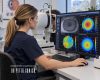
Corneal mapping is particularly important. It provides information about the shape and regularity of the cornea that a glasses prescription alone cannot tell us.
Sometimes these investigations also tell us that laser treatment is not the appropriate option.
How do LASIK, SMILE and PRK differ?
All three procedures alter the shape of the cornea, but they do so differently.
LASIK
With LASIK, a thin corneal flap is created and lifted before the underlying corneal tissue is reshaped with an excimer laser. The flap is then repositioned.
Visual recovery is often relatively quick, but creating a flap means LASIK is not necessarily the preferred approach for every cornea or every patient.
LENTICULE EXTRACTION PROCEDURES
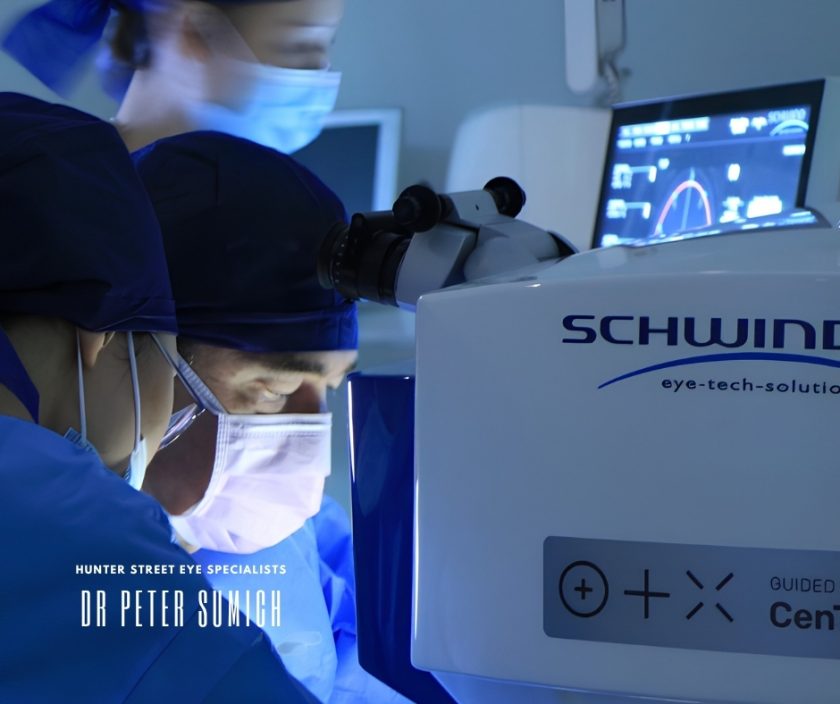
Lenticule Extraction procedures like SMILE, SILK, CLEAR, Smartsight uses a femtosecond laser to create a small piece of tissue, called a lenticule, within the cornea. This is removed through a small incision rather than creating a LASIK-style flap.
It can be an appropriate option for certain prescriptions, particularly myopia with or without astigmatism, but suitability still depends on the individual eye and the treatment parameters available.
PRK
PRK reshapes the cornea without creating a flap. The surface layer of the cornea is removed and subsequently regenerates.
Because the surface needs time to heal, the first few days can involve more discomfort and visual recovery is generally slower than with LASIK. In some circumstances, however, avoiding a corneal flap can be useful.
There isn’t one procedure that is right for everyone
It is tempting to compare laser procedures as though one must be the newest or best.
That is not particularly helpful clinically.
A procedure that is well suited to one person’s corneal shape, prescription and lifestyle may not be appropriate for another. In some patients, the differences between procedures are meaningful. In others, more than one technique may be reasonable.
And for some people, the sensible recommendation is not to have corneal laser surgery at all.
What to consider
Laser vision correction is intended to reduce dependence on glasses or contact lenses. It cannot guarantee that glasses will never be required again.
Under-correction, over-correction, residual astigmatism or later changes in prescription can occur. Age-related loss of near focusing ability also continues regardless of whether someone has previously had laser treatment, so reading glasses may eventually be required.
Possible effects following treatment include discomfort, dry-eye symptoms, glare, halos and fluctuations in vision. Less common complications can include infection, inflammation, corneal weakening or the need for additional treatment.
The likelihood and relevance of these issues vary between patients and between procedures, which is why assessment and informed discussion matter.
Frequently Asked Questions
Is SMILE better than LASIK?
Not as a general rule. They use different surgical techniques and each has circumstances in which it may be appropriate. The decision depends on factors such as prescription, corneal measurements, eye health and individual requirements.
Which procedure has the fastest recovery?
LASIK commonly provides relatively rapid visual recovery. SMILE also generally has a relatively quick recovery, while PRK usually takes longer because the corneal surface needs to heal. Individual recovery varies.
Can everyone with short-sightedness have laser eye surgery?
No. Prescription is only one part of suitability. Corneal shape and thickness, prescription stability, ocular-surface health and other eye findings also need to be assessed.
Will laser vision correction mean I never need glasses again?
Not necessarily. The aim is to reduce dependence on glasses or contact lenses. Some people may still require glasses for particular tasks, and reading vision normally changes with age.
What if I am not suitable for LASIK, SMILE or PRK?
Sometimes no treatment is the right recommendation. Depending on age, prescription and eye health, other options may also be discussed, including continued use of glasses or contact lenses and, in selected patients, lens-based procedures.
About the Specialist
Dr Peter Sumich is an ophthalmologist with a clinical focus on cataract surgery, laser vision correction and refractive lens exchange. His approach to treatment planning combines ocular measurements, eye health, visual requirements and the individual patient’s priorities when considering appropriate options.
Related Articles
BLOG: How I Think Through a Lens Choice Before Cataract Surgery
If you would like to discuss whether laser vision correction may be suitable for you, a full eye health assessment can determine the options relevant to your individual eyes.
Disclaimer
This article provides general educational information and is not a substitute for individual medical advice, diagnosis or treatment. Suitability, potential benefits, limitations and risks vary between patients and should be discussed following an appropriate clinical assessment.